
A Facilities Manager's Guide to Safety & Compliance
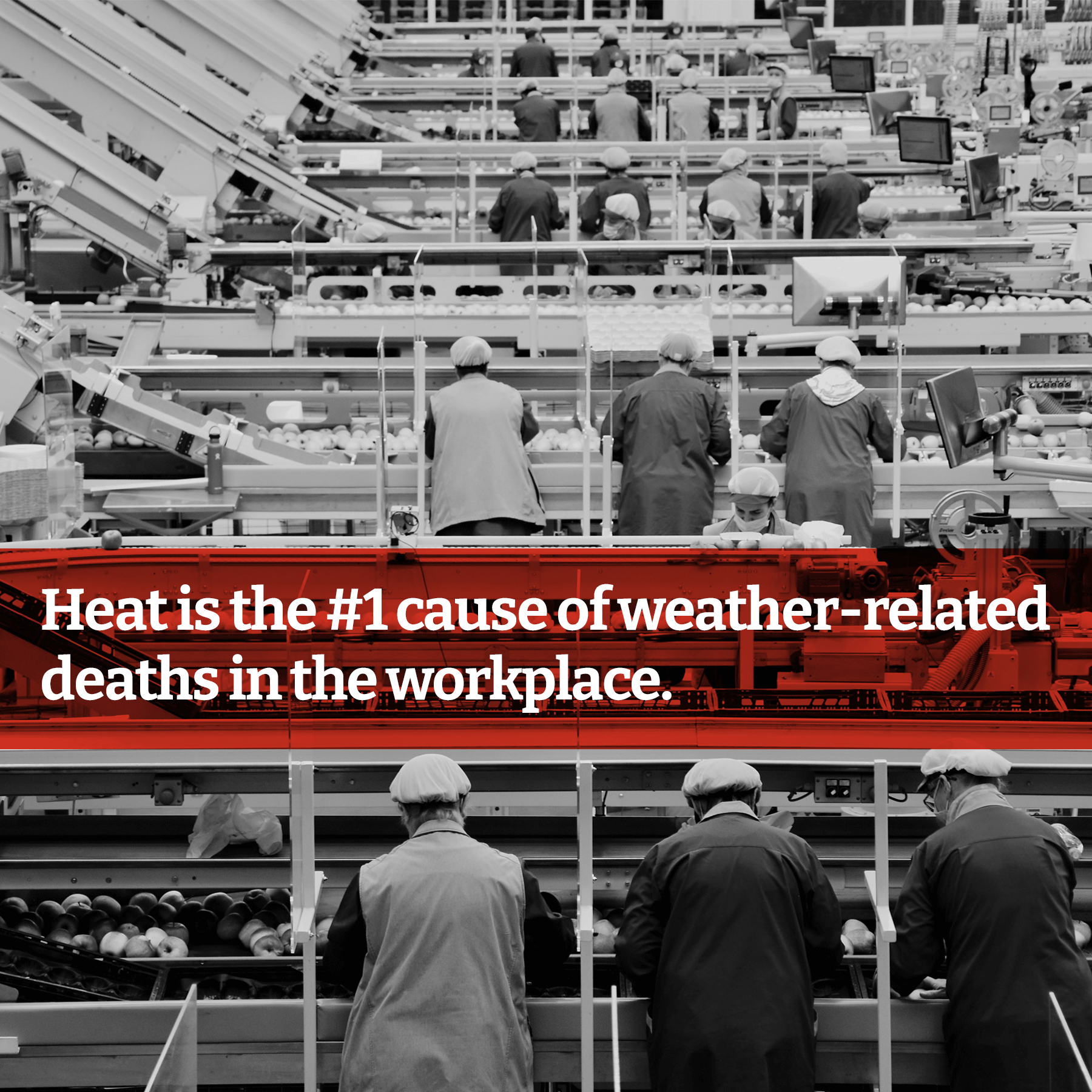
California, Maryland and Nevada have already implemented strict heat safety standards. Many other states are following suit. With regulatory penalties and serious liability exposure, facility managers can no longer rely on reactive measures alone.
Our latest white paper delivers the practical guidance you need to implement cost-effective heat safety monitoring that protects occupants, demonstrates compliance and positions your organization ahead of expanding regulations.
You'll Learn:
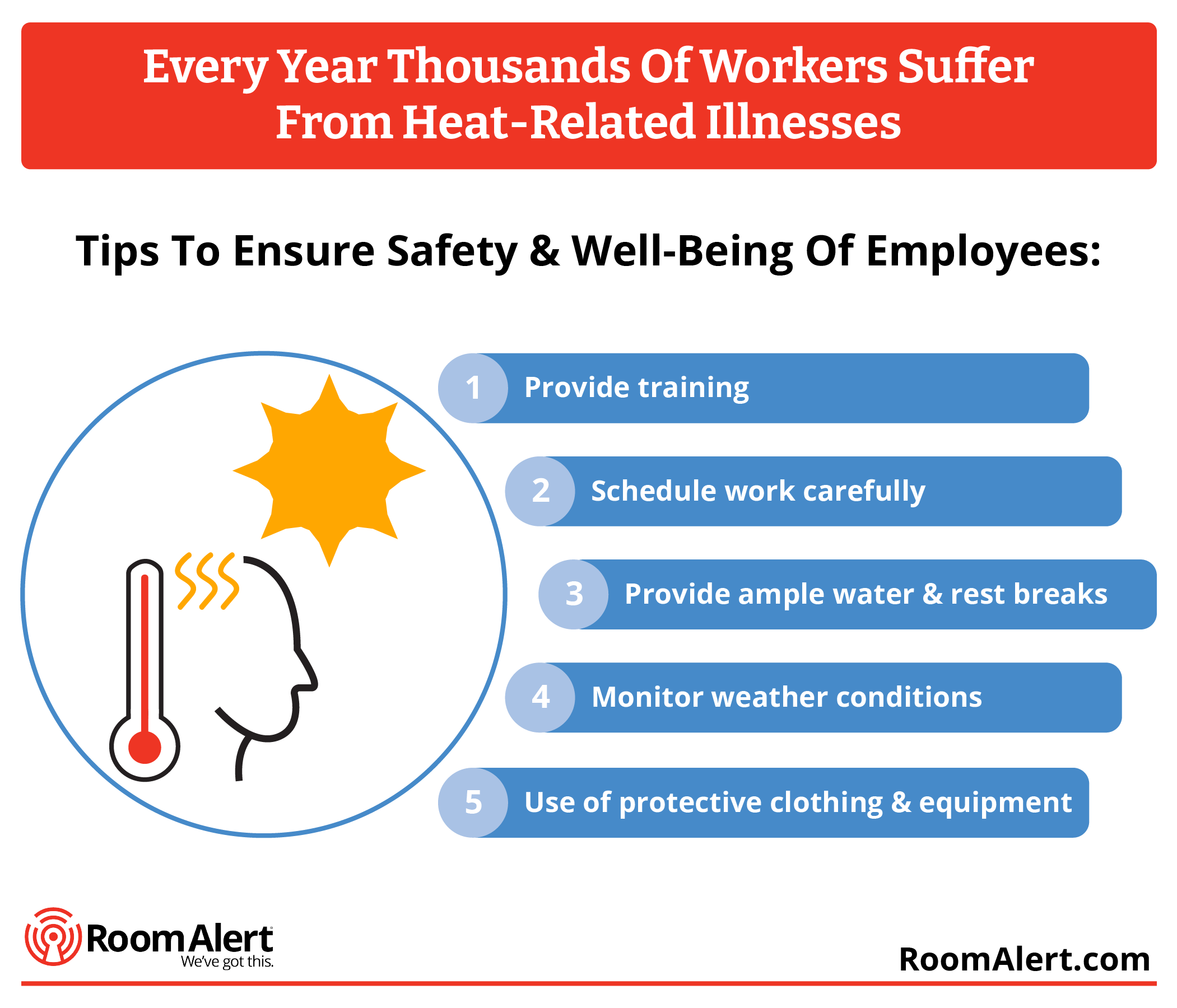
-Why heat index monitoring is now the required compliance metric and how it differs critically from simple temperature readings
-Detailed breakdown of California, Maryland and Nevada regulations including specific thresholds and documentation requirements
-Strategic implementation roadmap for identifying high-risk areas and deploying sensors cost-effectively
-Response protocols that activate at 80°F, 90°F, and 95°F heat index levels to protect occupants and satisfy regulatory requirements
-ROI calculations showing how proactive monitoring prevents costly incidents and reduces liability exposure
Implementing monitoring infrastructure now, before mandates arrive, demonstrates proactive safety leadership and avoids the rush of emergency compliance efforts.
Download "Protecting Your Facilities: A Practical Guide to Heat Safety Monitoring for Today's Building Managers" today and take the first step toward comprehensive heat safety protection.



Ready to Protect Your Business?
Reach out to our Room Alert experts by phone, email or through live chat on our website to get started today!
888.220.6700
401.628.1600
[email protected]
[email protected]
© 1988-2025 AVTECH Software, Inc.
All Rights Reserved Worldwide.